

We're Here to Assist You
Why Rodents Start Moving Indoors: A Recent Job & Some Homeowner Tips
Category: Holiday
Published: 06 October, 2026
By Erick, Owner, Pestmaster
What We Walked Into
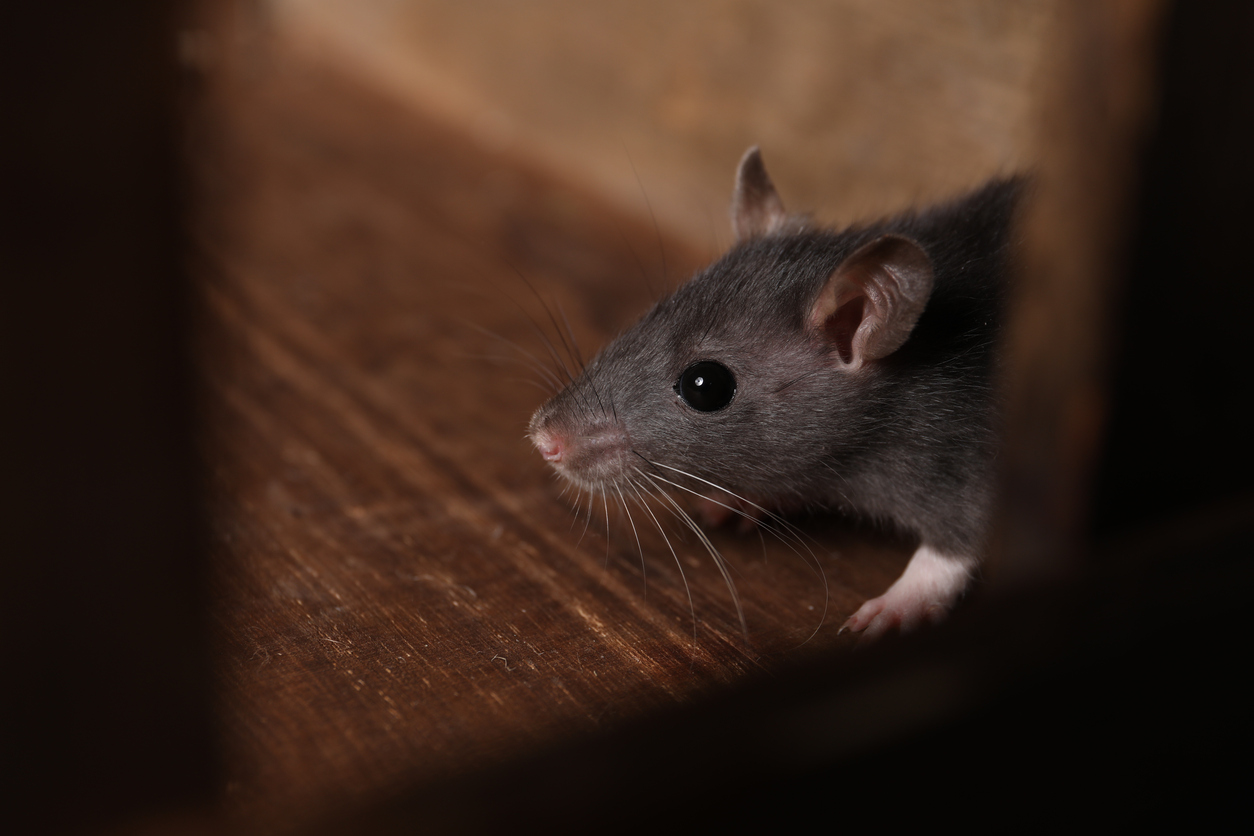
October is when I start reminding homeowners around Greater San Angelo and Midland to pay a little more attention to signs of rodents around the house.
As temperatures start changing, mice and rats begin looking for reliable places to find food, water, and shelter. A garage, attic, shed, or wall space can give them exactly that.
Earlier this month, I got a call from a homeowner in Midland who had started hearing light scratching above the kitchen late at night.
When I got there, there weren't rodents running around everywhere. In fact, the garage looked pretty normal at first.
But once I started checking along the walls and behind some of the stored items, I found more droppings and signs of movement.
Outside, I eventually found a small opening near where a utility line entered the house.
It wasn't a large gap.
But for a rodent looking for a protected place to settle as the season changes, it was enough.

The Problem
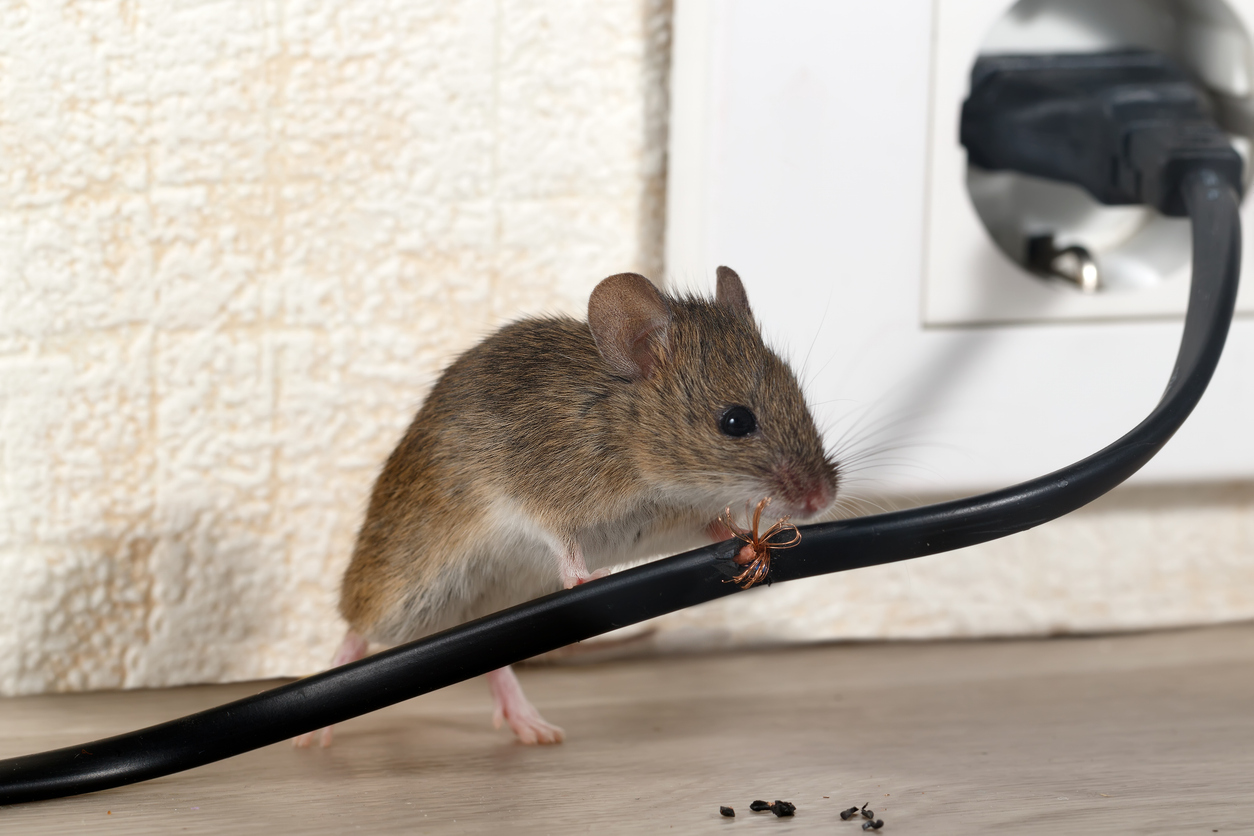
One thing I always tell homeowners is that rodents don't need much encouragement to move closer to a house.
If they can find shelter and a reliable food source, they'll take advantage of it.
October is an important time to watch for that because rodents that may have been living and feeding around the property can start exploring garages, attics, sheds, and other protected areas.
In this case, the garage was giving them a pretty good setup.
There were cardboard boxes stored against the wall, a bag of pet food that wasn't completely sealed, and several quiet areas that weren't disturbed very often.
Then there was the opening around the utility line.
Put those things together and the rodents had a way inside, something to eat, and somewhere to hide.
The homeowner told me the scratching bothered them more than anything else.
Once they heard it the first time, they started listening for it every night.
That's something I hear pretty often.
A couple of droppings might not seem like much during the day, but once you know something may be moving around above the ceiling at night, it's hard to ignore.
The Process
The first thing I wanted to know was how the rodents were getting inside.
There's not much point in addressing the activity indoors if the same access points stay open.
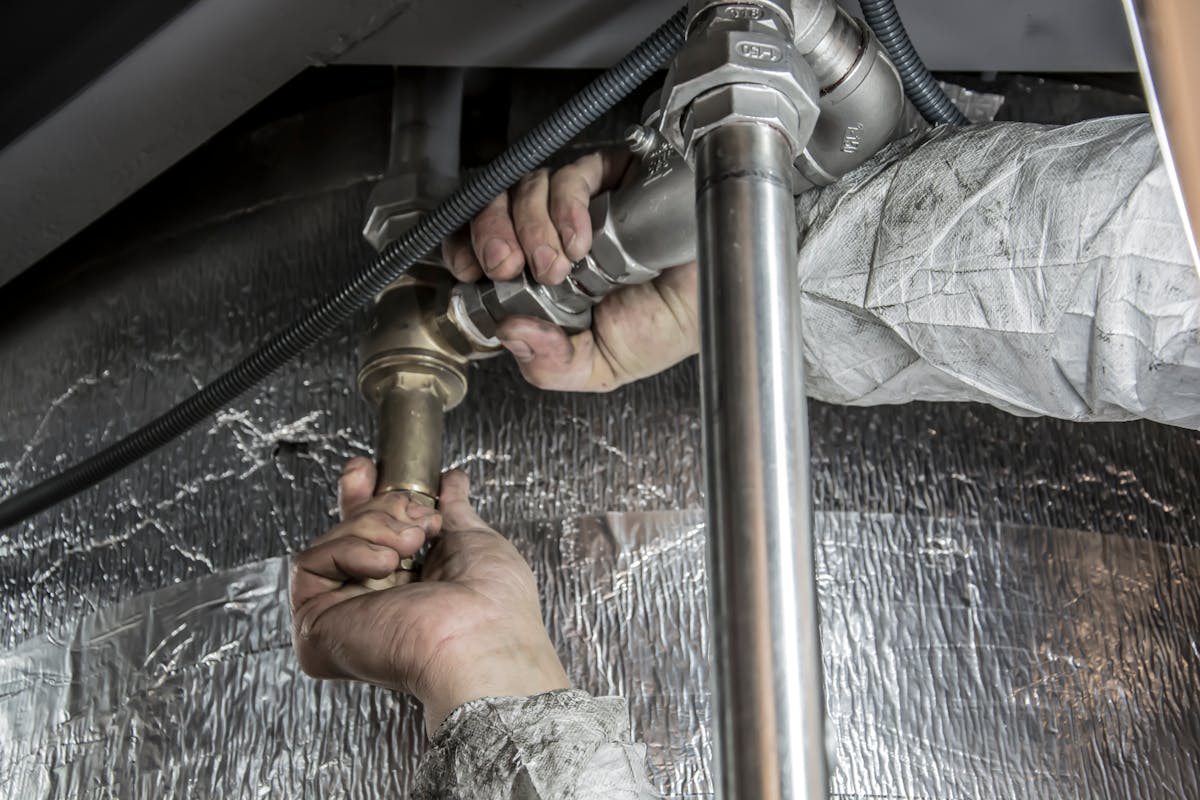
I inspected the garage, attic, foundation, roofline, vents, doors, and areas where pipes and utility lines entered the home.
Once I found the likely entry point, I showed it to the homeowner and explained why even a small opening can become a problem.
From there, I focused on the areas where I found actual signs of activity rather than treating the property blindly.
The pet food needed to go into a sealed container, and some of the boxes along the walls were moved so those areas were easier to inspect and keep clean.
At Pestmaster, I always look at rodent control as more than just dealing with the animal that's already inside. If you don't address how it got there and what's encouraging it to stay, you're only solving part of the problem.
The Outcome
Over the next several days, the activity started settling down.
The homeowner stopped finding fresh droppings in the garage, and the scratching they had been hearing above the kitchen disappeared.
When I checked back in, they told me the biggest relief was how quiet the house felt at night.
They weren't lying in bed wondering if every little sound was something moving around in the attic anymore.
That's exactly what I like to see after a rodent job.
It's not only about dealing with what's there today. It's about leaving the homeowner in a better position to notice and prevent the next problem.

DIY Advice
October is a good month to spend a little time checking your home before rodents find their way inside.
Here are a few things I recommend homeowners around Greater San Angelo and Midland do:
1. Walk around the outside of your home and look for gaps around pipes, utility lines, vents, doors, and the foundation.
2. Check garage door seals and weather stripping. If you can see daylight through a gap, it's worth taking a closer look.
3. Keep pet food, bird seed, livestock feed, and other dry foods in sturdy, sealed containers.
4. Move cardboard boxes and stored items away from garage walls when possible so you can easily spot droppings or other signs of activity.
5. Trim shrubs, weeds, and heavy vegetation back from the house so rodents have fewer protected routes toward the structure.
6. Pay attention to scratching noises, droppings, chew marks, or disturbed food packages instead of waiting to actually see a mouse or rat.
None of these things take much time.
A quick inspection now can sometimes catch the exact opening a rodent would have used later.

"It's brighter than before!"
— Megan
Professional Insight
One thing I've learned about rodents is that the first sign is rarely a mouse running across the floor.
Usually, the clues are much quieter.
A few droppings in the garage. Scratching above the ceiling. Something chewed in storage.
Maybe a small opening outside that you've walked past a hundred times without noticing.
Around Greater San Angelo and Midland, October is a good time to start looking for those signs because rodents are always going to take advantage of easy shelter, especially as outdoor conditions begin changing.
If activity is already happening inside, trapping or removing rodents is only part of the solution.
Finding how they're getting in and correcting those conditions is what helps keep the same problem from starting all over again.
Closing Thoughts
A lot of October rodent calls start with someone telling me,
"I haven't actually seen anything, but I keep hearing something at night."
That's usually enough reason to take a closer look.
You don't have to wait until you see a mouse running through the kitchen to know there's a problem.
If you're hearing scratching, finding droppings, or noticing other small signs around your home, pay attention to them.
Around Greater San Angelo and Midland, October is a good time to find those weak spots and deal with them before rodents decide your home is a good place to spend the colder part of the year.
– Erick

Address
2000 E 8th St, Odessa, TX 79761, United States
Contact Us
Call: +1 432-287-7807
© 2026 PestMaster. All Rights Reserved.